SUBEB Kano Strengthens Monitoring and Evaluation with Digital Tablet Distribution
SUBEB Kano Strengthens Monitoring and Evaluation with Digital Tablet Distribution


By JB DANLAMI
The Kano State Universal Basic Education Board (SUBEB) has recorded a major milestone in its drive to modernize monitoring and evaluation (M&E) processes with the successful distribution of digital tablets to key personnel across its operational zones.
The initiative, championed by the Executive Chairman, Malam Yusuf Kabir, underscores the Board’s commitment to enhancing efficiency, accuracy, and timeliness in data collection and reporting.
The Chairman was represented at the distribution exercise by the Director of Monitoring and Evaluation, Malam Muazu Magaji.
Speaking during the exercise, Malam Muazu Magaji highlighted that the primary objective of the tablet distribution is to strengthen real-time data reporting, reduce reliance on paper-based systems, and improve evidence-based decision-making across the education sector in Kano State.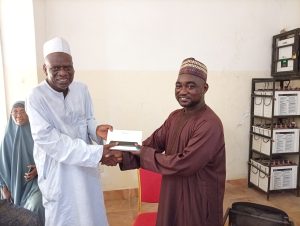
He explained that beneficiaries were carefully selected to ensure optimal utilization of the devices. These include Team Leads and Secretaries of Zonal Evaluation Teams, two dedicated evaluators from each zone, as well as Zonal Directors and Deputy Directors (Quality Assurance).
According to him, the distribution followed a comprehensive needs assessment conducted to identify operational gaps, determine device requirements, and evaluate the technological readiness of each zone. Allocation of tablets was based on personnel strength, workload, geographical coverage, and frequency of monitoring activities.
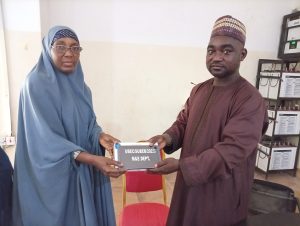
“All tablets were preloaded with relevant data collection and reporting applications and subjected to rigorous quality assurance checks, including functionality testing and configuration verification before distribution,” he stated.
To ensure accountability and proper tracking, SUBEB established a robust inventory and documentation system. Each device is recorded with details such as serial numbers, assigned users, locations, and dates of distribution.
The distribution process was centralized, requiring beneficiaries to appear in person for identity verification and documentation before receiving their devices.
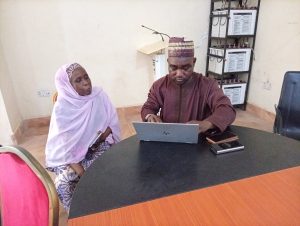
In addition, recipients were provided with hands-on training at the point of distribution, covering device handling, application usage, and reporting procedures. Continuous support and refresher training are also in place to ensure effective utilization.
Malam Magaji further revealed that mechanisms have been instituted to monitor the use of the tablets. These include periodic reporting, supervisor confirmations, physical inspections, and, where applicable, digital tracking systems.
To safeguard the devices, SUBEB has implemented strict measures such as user accountability forms, access controls, and regular supervision. Clear protocols have also been established for reporting lost or damaged devices, with investigations and appropriate actions taken when necessary.
He emphasized that the introduction of digital tools has significantly improved monitoring and evaluation processes by enabling real-time data collection, faster transmission, improved accuracy, and enhanced supervision.
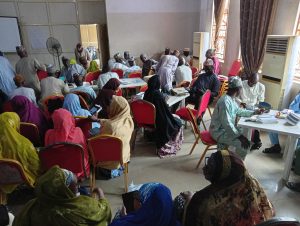
“Digital data collection reduces errors, eliminates duplication, enhances data security, and simplifies analysis compared to traditional paper-based methods,” he added.
The Board also ensures data confidentiality through password protection, controlled user access, data encryption, and strict adherence to data protection policies.
The initiative marks a significant step toward strengthening service delivery in the education sector, positioning SUBEB Kano as a forward-thinking institution committed to leveraging technology for improved outcomes.